When it comes to healthy drinks, many people in Singapore wonder whether they should buy a juicer or a blender. Both have benefits, but they serve different purposes.
A juicer extracts liquid from fruits and vegetables while removing fiber. This results in a smooth, thin drink that is quickly absorbed by the body. Juicing is often used for detox routines or quick nutrient intake.
A blender, on the other hand, processes the entire fruit or vegetable, including the fiber. This creates a thicker drink known as a smoothie. The fiber helps with digestion, keeps you full longer, and supports blood sugar balance.
From a nutritional perspective, blenders are often more complete because nothing is removed from the ingredients. You get the full benefit of the fruit or vegetable in one drink.
Blenders are also more versatile. In addition to smoothies, they can make soups, sauces, nut butters, dips, and even frozen desserts. Juicers are more limited in function and usually only produce juice.
Another key difference is cost and convenience. Juicers often produce waste pulp that must be discarded, while blenders use the whole ingredient, making them more economical in the long run. Cleaning a blender is also typically faster and easier compared to a juicer with multiple parts.
However, juicers may still be preferred by people who want a very light drink or have digestive issues and prefer low-fiber intake.
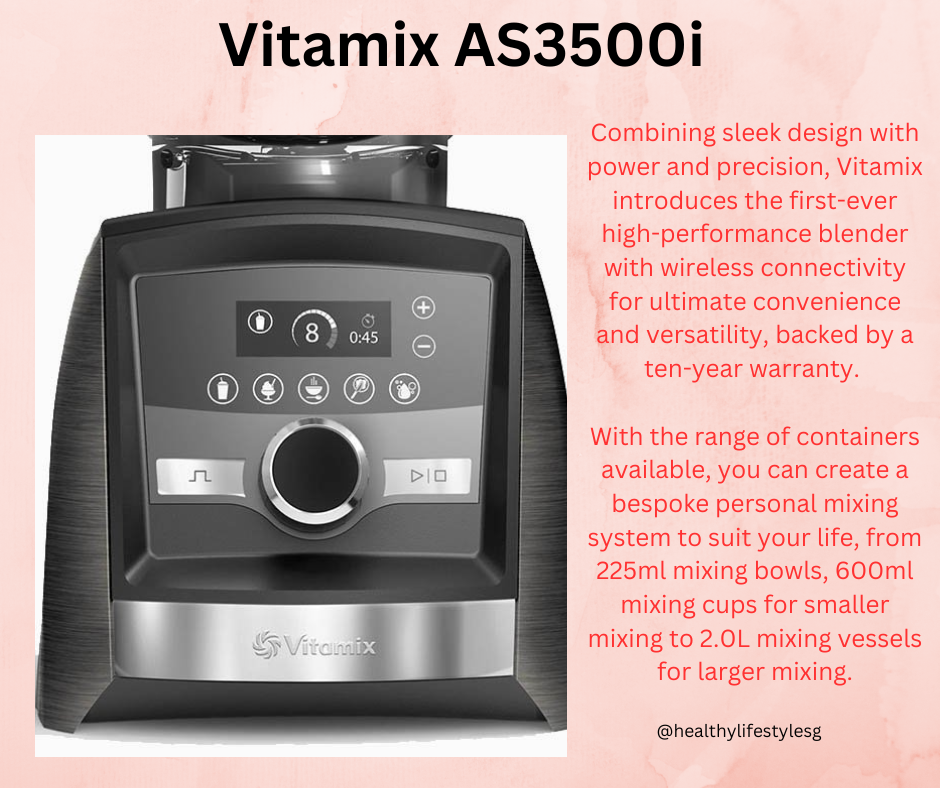
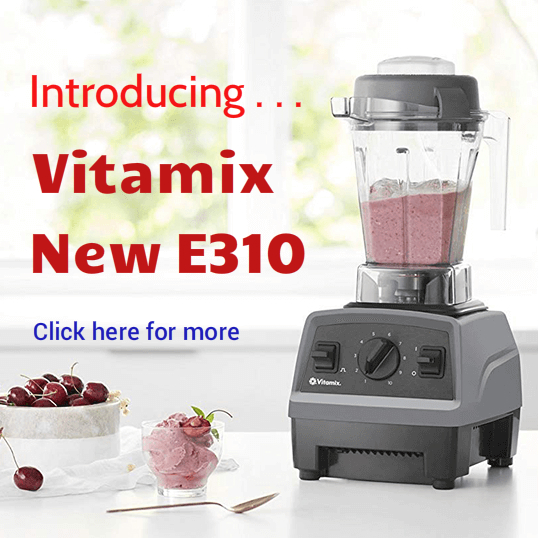
For most households in Singapore, a high-quality blender is the more practical and versatile choice. It supports daily nutrition, meal preparation, and long-term healthy living.
If your goal is convenience, fullness, and versatility, the blender is the better option. If your goal is fast-absorbing juice with no fiber, then a juicer may suit you better.
In the end, both tools can support a healthy lifestyle—but the blender is usually the all-in-one solution.