
If you’ve been told your cholesterol numbers are climbing, you’re not alone. Many Singaporeans face this common health challenge, which increases the risk of heart disease and stroke. The good news? You have more power than you think to turn those numbers around. While medication is crucial for some, research shows that simple, consistent lifestyle changes can significantly improve your cholesterol and boost your overall heart health.
Let’s explore three foundational pillars for managing cholesterol naturally: getting active, prioritizing rest, and eating wisely.
1. Get Moving: Exercise Your Way to Better Cholesterol
Regular physical activity is one of the most effective tools for improving your cholesterol profile. The goal is to incorporate consistent, moderate movement into your week.
Exercise primarily works by raising your high-density lipoprotein (HDL) cholesterol, the “good” kind that helps remove other forms of cholesterol from your bloodstream. Studies have shown that consistent aerobic activity can lead to significant improvements in HDL levels and a better overall cholesterol ratio.
How to start:
Aim for Consistency: With your doctor’s approval, work towards at least 30 minutes of moderate exercise five times a week. This could be a brisk walk, a leisurely bike ride, or a swim.
Find What You Enjoy: The best exercise is the one you’ll stick with. Enjoy the outdoors? Try brisk walking or cycling. Need something gentle on the joints? Swimming is an excellent full-body workout that has been shown to improve total cholesterol, HDL, and LDL (the “bad” cholesterol) levels.
Incorporate Strength Training: Don’t overlook resistance training. A 2019 study found that resistance training was strongly associated with improved HDL levels. Aim for activities that work your major muscle groups twice a week.
Move More Daily: Look for small opportunities to be active—take the stairs, walk during phone calls, or get off the bus one stop early.
2. The Underrated Pillar: Prioritize Quality Sleep
While the link between sleep and cholesterol is complex and not as frequently highlighted in major guidelines, prioritizing rest is a critical component of metabolic health. Poor or insufficient sleep can disrupt hormones that regulate appetite and stress, potentially leading to weight gain and increased inflammation—both of which can negatively impact your cholesterol levels and heart health.
Tips for better sleep hygiene:
Establish a Routine: Try to go to bed and wake up at the same time every day, even on weekends.
Create a Restful Environment: Keep your bedroom cool, dark, and quiet. Reserve your bed for sleep and relaxation only.
Wind Down: Develop a calming pre-sleep ritual, like reading or gentle stretching, and avoid screens for at least an hour before bed.
Managing your cholesterol is a holistic endeavor. Regular exercise and quality sleep create a strong foundation, but the fuel you provide your body—your diet—is perhaps the most direct lever you can pull.
3. Eat Smart: Transform Your Diet for Heart Health
This is where you can make the most dramatic impact. As Harvard Health experts note, dietary changes are powerfully effective for reducing LDL cholesterol. Think of it not as a restrictive diet, but as a portfolio of delicious, heart-protective foods.
Foods to Embrace:
Soluble Fiber: This is a cholesterol-lowering superstar. It binds to cholesterol in your digestive system and removes it from your body. Load up on oats, barley, kidney beans, apples, and pears.
Healthy Fats: Replace saturated and trans fats with unsaturated fats. Use olive oil or canola oil for cooking, snack on a handful of almonds or walnuts, and add avocado to your salads.
Omega-3 Fatty Acids: These fats help lower triglycerides and protect your heart. Aim to eat fatty fish like salmon or mackerel twice a week.
A Powerful Dietary Addition: Sacha Inchi Oil
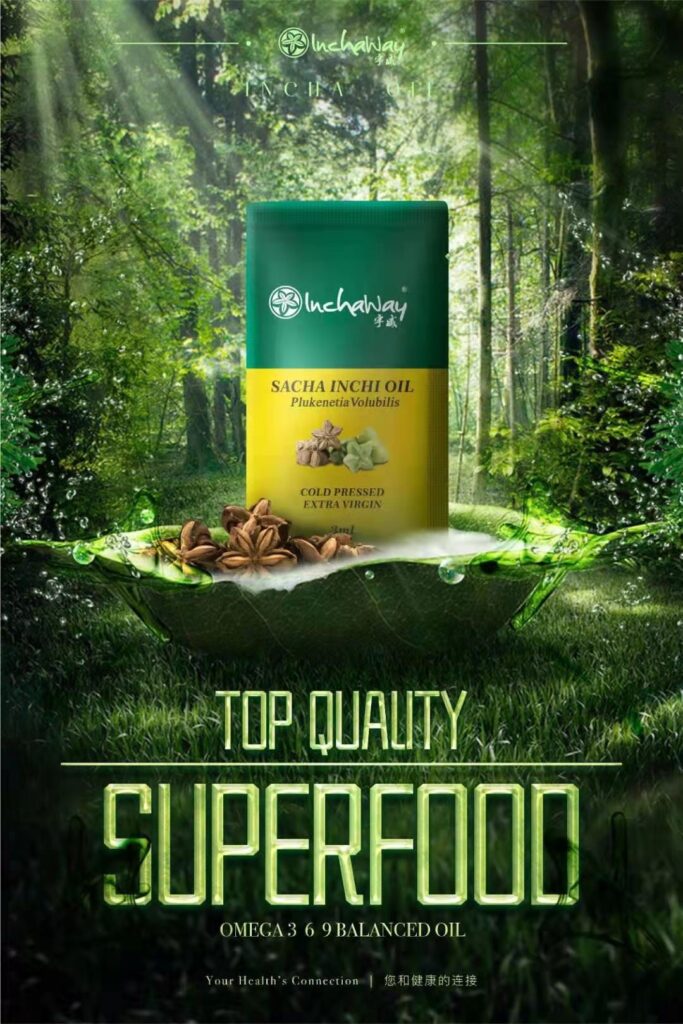
When discussing plant-based sources of omega-3s (like flaxseeds and walnuts), one standout option is Sacha Inchi oil. Derived from a Peruvian seed, this oil is exceptionally rich in omega-3 alpha-linolenic acid (ALA).
More than just a source of good fats, modern research highlights its specific benefits for cholesterol management. A 2025 randomized, double-blind clinical trial involving patients with high cholesterol, high blood pressure, and high blood sugar found that supplementation with Sacha Inchi oil (1000 mg daily) led to significant improvements. After 12 weeks, participants saw reductions in total cholesterol and “bad” LDL cholesterol, along with an improvement in “good” HDL cholesterol. These findings support earlier research indicating its cholesterol-lowering potential.
This makes Sacha Inchi oil a simple, novel complementary option to consider within a heart-healthy diet. You can learn more about incorporating this powerful oil into your routine at SachaInchiOilSingapore.com.
Foods to Reduce:
Saturated Fats: Found in red meat and full-fat dairy products, these raise your total cholesterol. Try to decrease your consumption.
Trans Fats: Listed as “partially hydrogenated oil,” these are found in some margarines, packaged snacks, and fried foods. They raise overall cholesterol levels and should be eliminated.
Putting It All Together for a Healthier You
Managing your cholesterol is a journey, not a sprint. Start with one small change—swap your afternoon snack for a handful of nuts, add a 15-minute walk to your lunch break, or try drizzling a heart-healthy oil on your salad.
Remember, these lifestyle strategies work best together and can also enhance the effectiveness of any cholesterol medications your doctor may prescribe. Before making any major changes, especially if you have existing health conditions, it’s always wise to consult with your healthcare provider.
Disclaimer: This article is for informational purposes only and is not a substitute for professional medical advice. Always consult your doctor before making changes to your diet, exercise, or medication regimen.